Small spaces
What should you put first in a small garden?
By GardenRender AI · Planning ideas and concept comparisons
Choose the activity you most want to do outside, then protect enough unoccupied space to do it. In a small garden, a shorter wish list usually makes a more useful starting concept than a smaller version of every feature in a large garden.
Start with a real week
Write down three occasions when you would have used the garden last week. Perhaps breakfast for two would have happened every morning, while a large barbecue would have happened once in the summer. Frequency is useful evidence about your own priorities; an impressive picture is not.
Give each wish one of three labels: essential, occasional or can happen elsewhere. Count the route to the door and gate as essential even if it never appears on the wish list. An outdoor room still has to work as a way through.
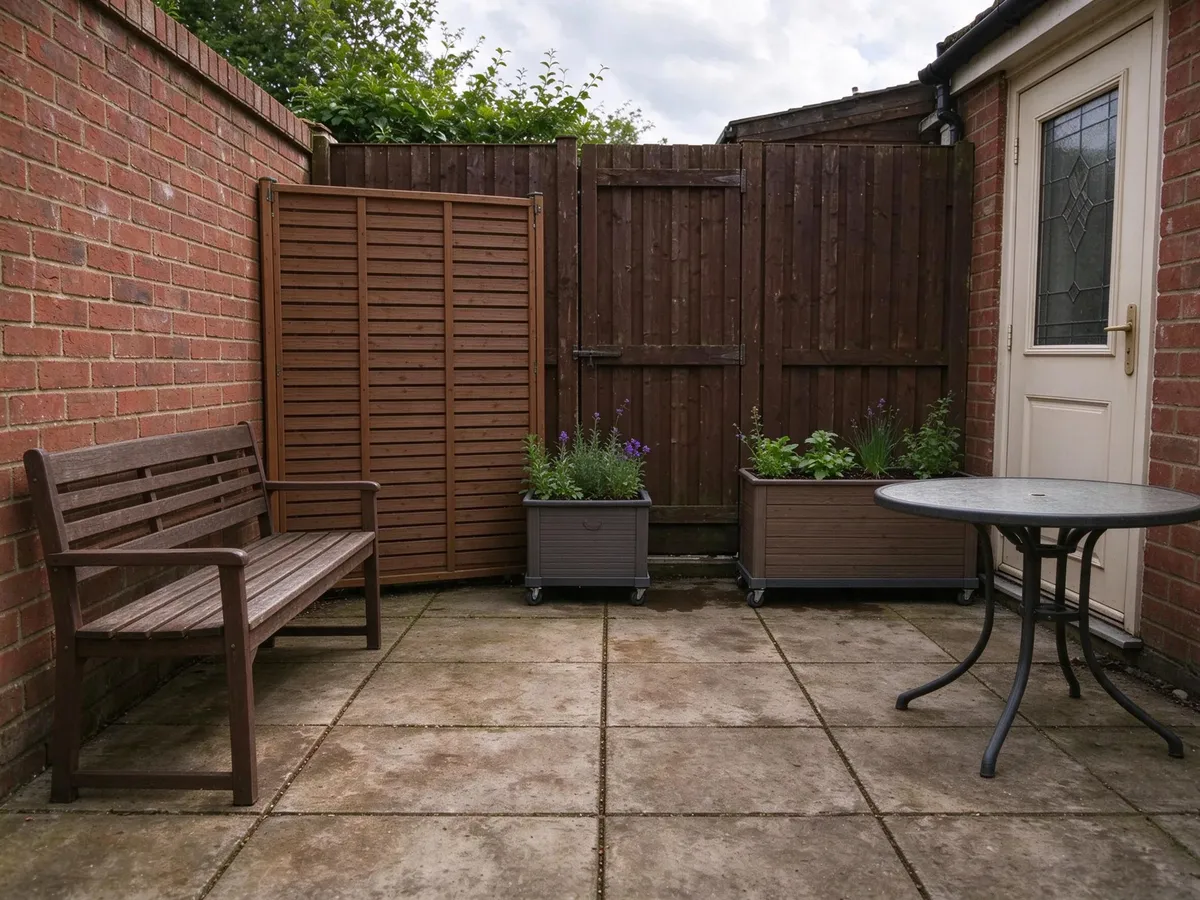
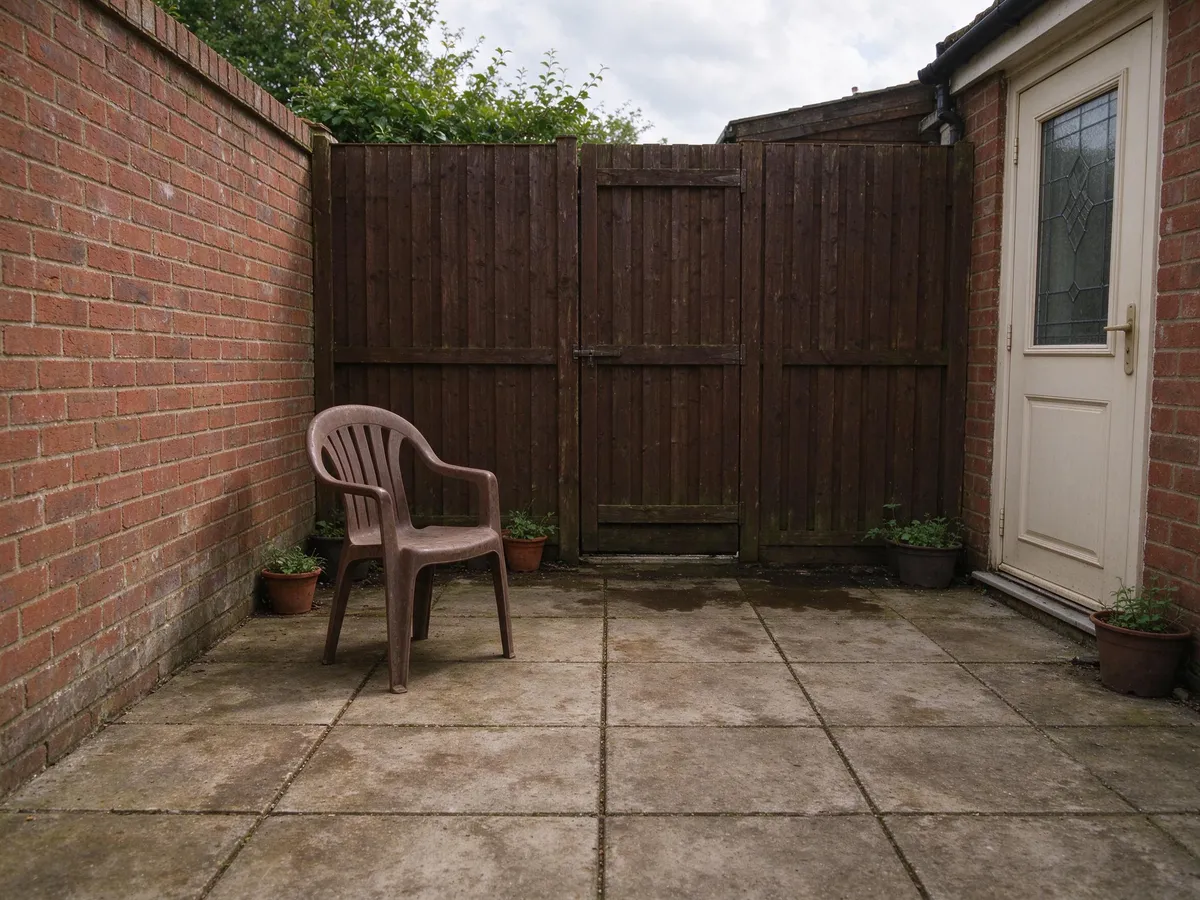
A genuinely small courtyard
Look at the bench against the wall, table and containers without losing the open centre.
The requested growing box is not clearly present. Furniture sizes, screen fixings and gate clearances are unverified.
Both images are AI-generated editorial demonstrations, not a customer project or completed landscaping. Generated 2026-11-14. A case may be reused where it answers a different planning question.
Read this genuinely small example
The synthetic courtyard has a bench against the wall, a small table and containers around its edges. The original paving remains visible. Look at the empty centre before looking at the flowers: that space is doing a job too.
The result is not evidence that every piece of furniture will fit in your courtyard. It also did not produce every requested item. Use the visible arrangement to ask whether you want a place to sit or a separate dining setup, rather than assuming both are necessary.
Make a deliberate trade
| If your first use is | Explore first | Leave out for this comparison |
|---|---|---|
| Breakfast for two | A compact table near the door | A second lounge group |
| Reading outside | A comfortable seat and useful view | A large dining table |
| Growing a few things | A reachable planting edge | Multiple ornamental features |
These are starting choices, not rules about the right garden. Swap the first column for your own routine.
Check the choice outside
Mark approximate furniture positions with movable objects or a temporary outline where appropriate. Walk the actual route with doors open. A photo cannot establish dimensions, turning space, levels or the needs of every household member.
If the essential activity already feels crowded, remove an item before asking for another concept. Shrinking chairs in an attractive image does not solve a real space conflict.
Keep one sentence for the next step
Try: “Our small garden is mainly for breakfast, with a clear route to the gate; extra seating can wait.” Use that sentence with your own photo in GardenRender AI. For the furniture arrangement itself, continue with courtyard seating and planting.
Planning references
General context, not measured demand or proof of a generated example.
- RHS: planning a garden and preparing a briefGeneral planning context, not evidence of this fictional example or demand volume