Small spaces
How do you fit seating and planting into a small courtyard?
By GardenRender AI · Planning ideas and concept comparisons
Give furniture and plants different jobs. Furniture needs space while it is being used; planting can shape an edge or a view. Start with one seating arrangement, then add greenery where it does not interrupt doors or ordinary movement.
Decide what sitting means
A bench for a short break, a table for lunch and lounge chairs for an afternoon are not interchangeable. Write down how many people normally sit outside and what they do there. An occasional visitor does not necessarily justify keeping extra furniture out all week.
Make a quick list of moving parts: chairs pulled away from a table, a door swinging open, a watering can carried past a pot. Those movements are easy to overlook in a still image.
A genuinely small courtyard
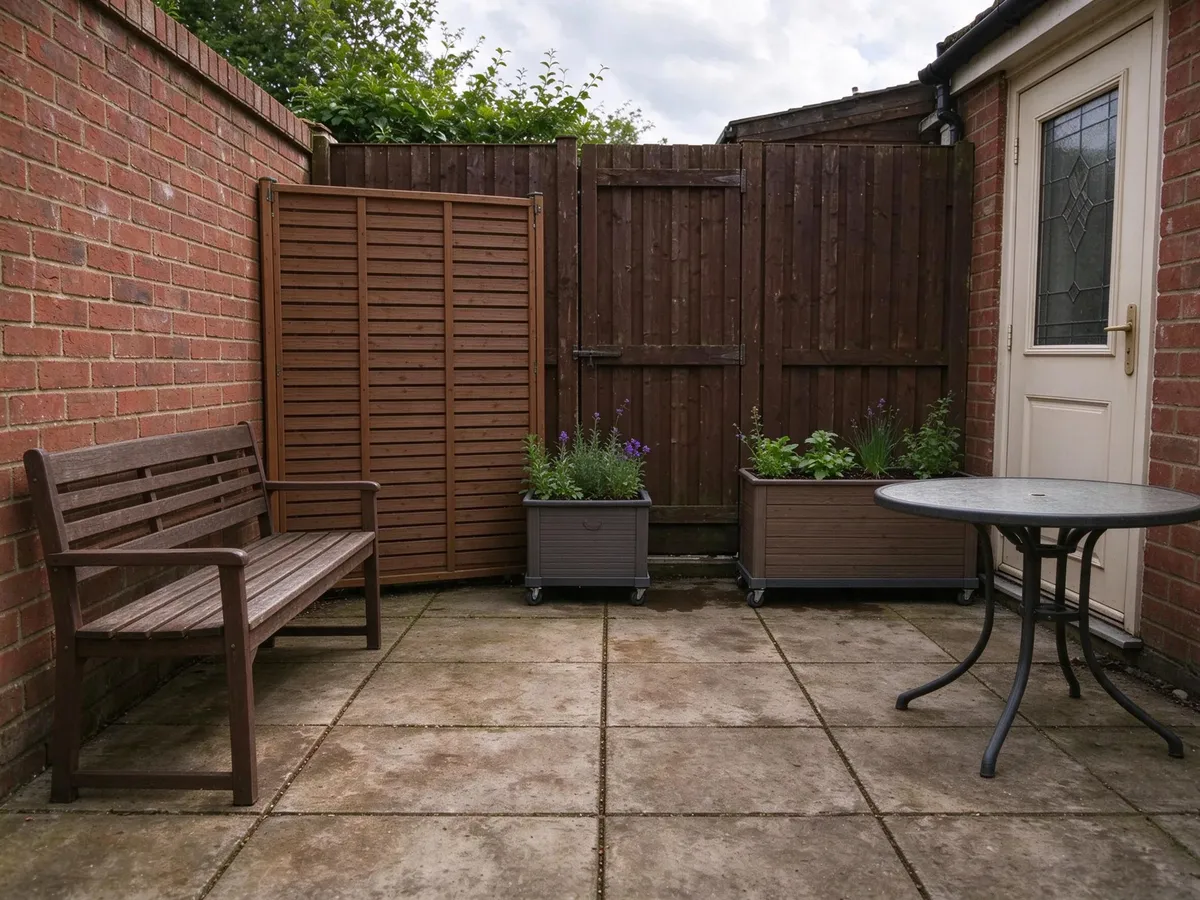
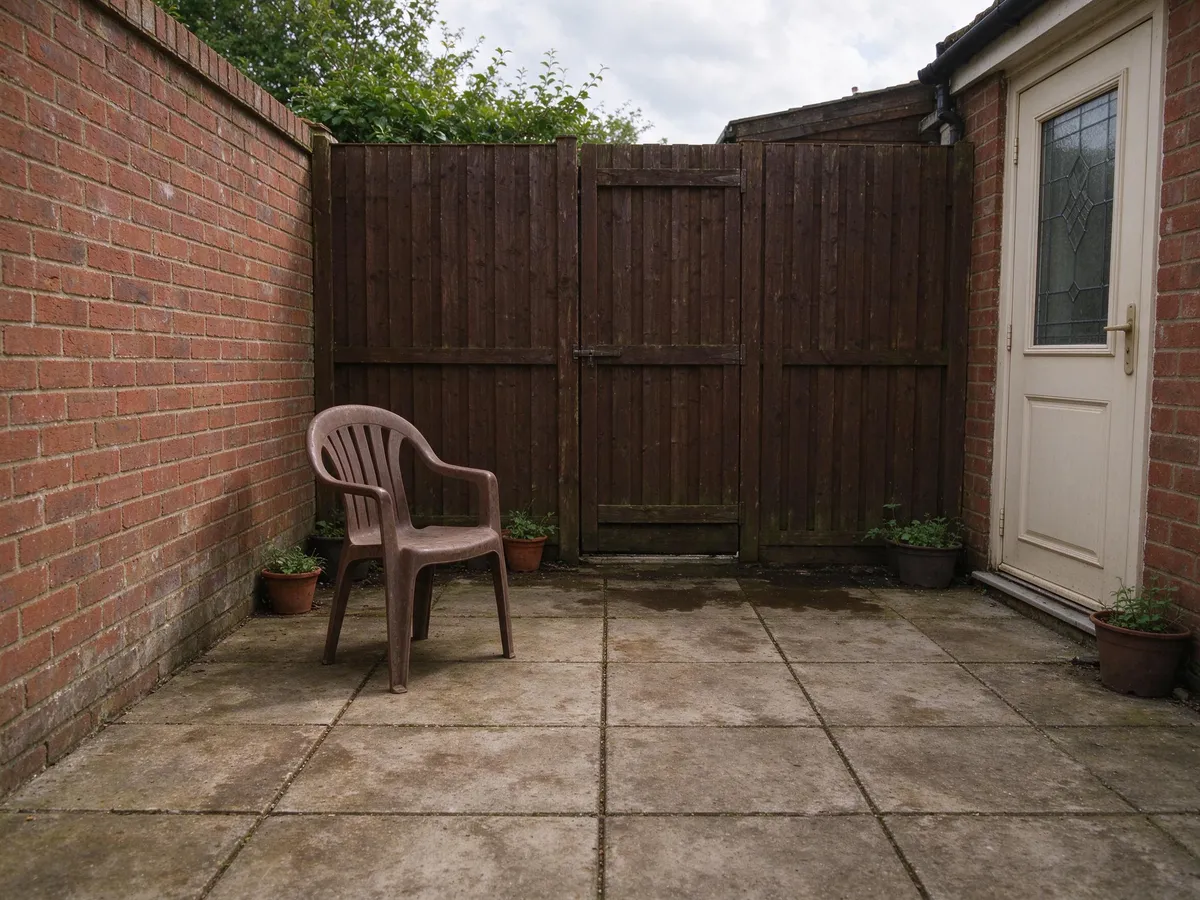
Look at the bench against the wall, table and containers without losing the open centre.
The requested growing box is not clearly present. Furniture sizes, screen fixings and gate clearances are unverified.
Both images are AI-generated editorial demonstrations, not a customer project or completed landscaping. Generated 2026-11-14. A case may be reused where it answers a different planning question.
Use the edge, but question the picture
The fictional courtyard example places a bench against the brick wall and containers near the fence. A table occupies part of the open paving. Compare the original and result to see how much of the courtyard remains unfilled.
The requested growing box is not clearly established in this result, so it is not used here as a raised-bed example. The bench-and-table arrangement is a visual option, not proof of comfortable clearances or furniture capacity.
Try one arrangement on paper
| Arrangement | Question to answer outside |
|---|---|
| Bench along an edge | Can someone sit down without moving other furniture? |
| Separate table and chairs | Where do pulled-out chairs go? |
| Containers grouped together | Can you reach each pot and clean behind it? |
| Planting on every boundary | Does it leave the centre useful or merely empty-looking? |
Choose one arrangement before comparing colours. If the layout is awkward, a prettier pot will not fix it.
Think about care as well as appearance
Containers are movable objects, but moving a large filled container may be difficult. They also need appropriate plants, watering and ongoing care. The RHS low-maintenance guidance specifically cautions against assuming lots of containers will reduce work.
For a rented property, check permission before attaching supports or making permanent changes. For any courtyard, investigate drainage and surface condition separately; greenery in a render does not repair them.
Choose a useful first experiment
Try fewer furniture pieces in the real courtyard before buying a coordinated set. Keep a photo of the version that feels easiest to use. You can then explore its visual direction, or compare raised beds and movable pots if contained planting is your main unresolved choice.
Planning references
General context, not measured demand or proof of a generated example.
- RHS: planning a garden and preparing a briefGeneral planning context, not evidence of this fictional example or demand volume
- RHS: low maintenance gardeningManageable care and container upkeep; not a time estimate or rental legal advice