Patios and everyday use
How do you plan a garden that different people want to use?
By GardenRender AI · Planning ideas and concept comparisons
Compare routines before comparing styles. A household can agree that a picture is beautiful while imagining completely different uses for it. Make those uses visible first, then decide which can share space and which conflict.
Let everyone describe an ordinary day
Ask each person for one activity they would genuinely do outside and when it would happen. “Have coffee before work” is more useful than “make it relaxing.” Include everyday service needs such as taking out bins or reaching storage.
Do not vote on pictures yet. First separate frequent activities from occasional wishes, and avoid treating the loudest preference as the shared brief.
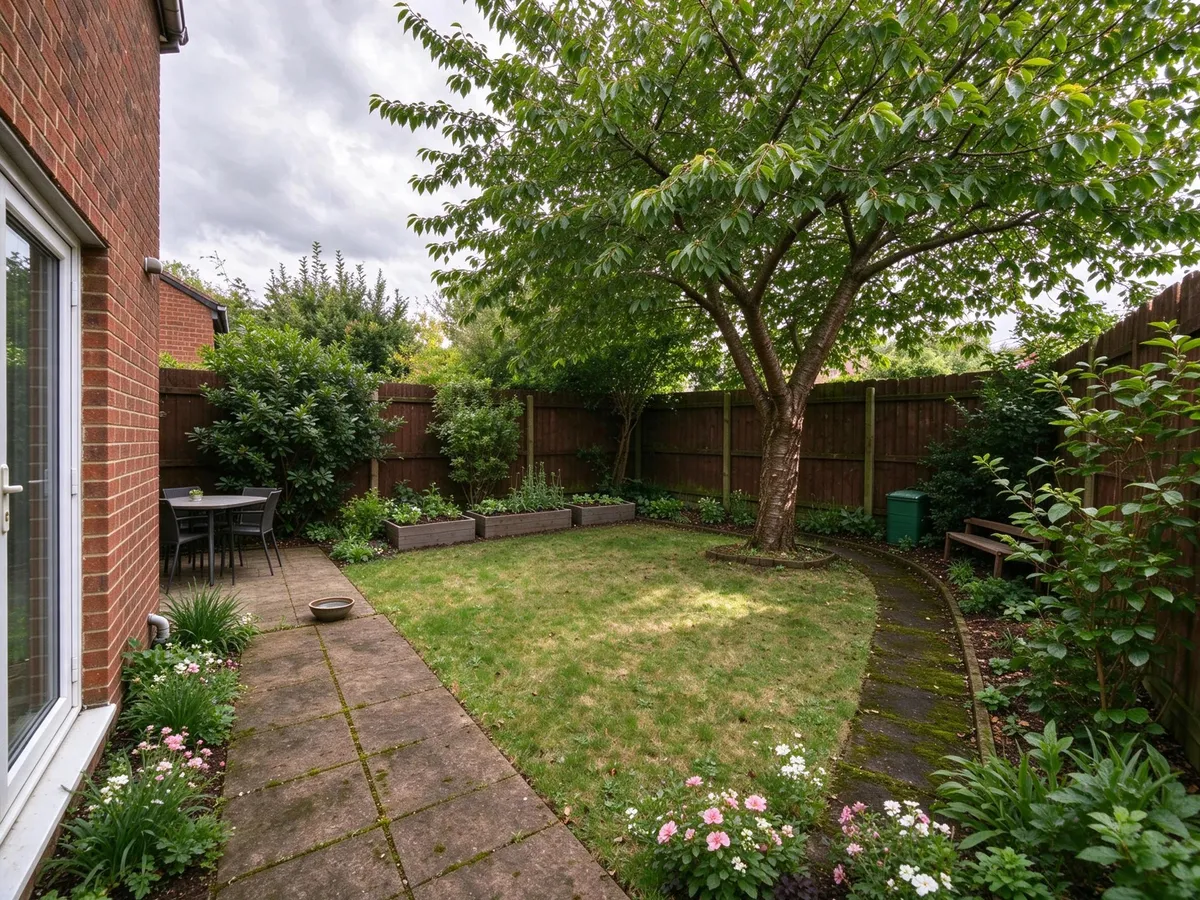
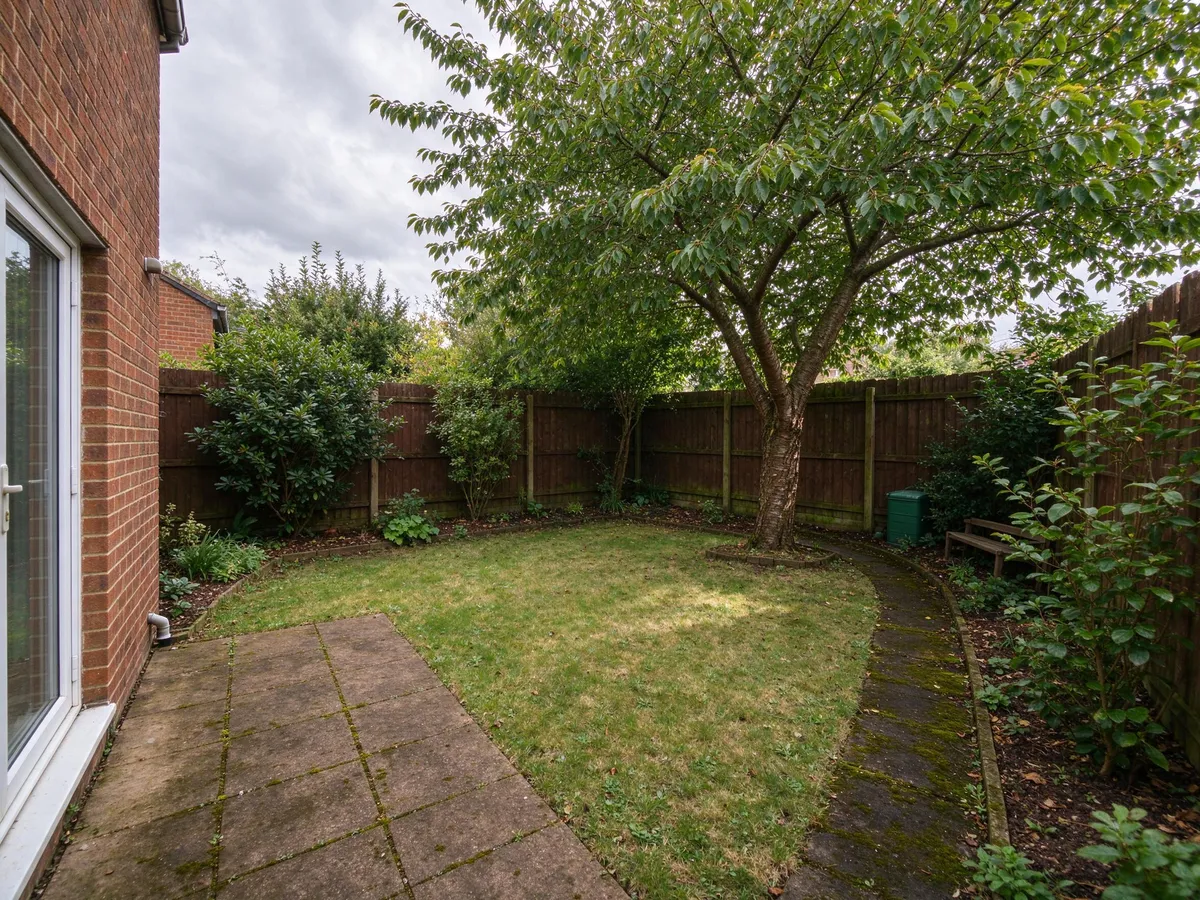
Open lawn with fuller edges
Compare the retained central lawn, mature tree and planted edges.
The original brief also asked for growing boxes and a water bowl, which are not clearly delivered here. Separate targeted examples are used for those topics.
Both images are AI-generated editorial demonstrations, not a customer project or completed landscaping. Generated 2026-11-14. A case may be reused where it answers a different planning question.
Read the shared-space example
The synthetic garden keeps an open central lawn and a route around planted edges, with seating near the house. That arrangement offers things to discuss: what belongs in the open middle, and what could happen near the terrace?
It does not show that children, pets or people with access needs can safely use the space. No equipment, plant safety or clearances have been assessed. Treat the image as a conversation aid, not a family-safe design endorsement.
Make a use schedule
| Person or activity | When? | Space needed at the same time? |
|---|---|---|
| Breakfast outside | Morning | Table and direct route |
| Quiet reading | Evening | Seat away from the main activity |
| Informal open-space use | Weekends | Unfilled ground |
Fill it in together. Two uses at different times may share an area; two competing uses at the same time need a more explicit choice. The table records preferences, not measured capacity.
Resolve one conflict at a time
Suppose one person wants deep planting and another wants an open centre. Compare a retained-lawn concept with a planting-led option. Ask each person what they gain and lose, rather than scoring which image looks more expensive.
Keep disagreement in the notes. “We have not decided whether the centre should stay open” is more accurate than asking the model to blend incompatible requests and calling that consensus.
Leave with a shared brief
Write three lines: activities to retain, a change worth trying, and the unresolved question. Use that in GardenRender AI, then review the result together against the same list. For limited space, small-garden priorities helps decide what to omit rather than forcing every wish into the picture.
Planning references
General context, not measured demand or proof of a generated example.
- RHS: planning a garden and preparing a briefGeneral planning context, not evidence of this fictional example or demand volume